
Catalogue
Lasers
Textile Laser briefs cut paths and fabric notes for apparel floors. We keep fume, nest, and hand-feel honest.
How Lasers land on a real South African week
Laser cutting in textiles turns on fabric behaviour, extraction quality, and how the bay is actually run.
This is the catalogue we use when a buyer already understands textile cutting and needs the next practical step. Start with fabric type, shift window, and the constraint that has already caused trouble. Highveld dust, coastal humidity, and load-shedding each change the laser path we discuss first.
What we check before we suggest a laser path
We ask for a photo of the current cutting bay, the week you need production running, and what has already gone wrong. Vague descriptions waste a useful morning.
A brief note through our contact form with your city and two real floor constraints helps more than a long sales-style email. Teams in Durban and Pretoria use the same habit: call the floor as it is, then choose the SKU.
Load-shedding, dust, humidity
OR Tambo export weeks, Sunnyrock cut-offs, and smaller mall collection points still shape planning. We write for textile floors that are already operating. Coastal grit changes cleaning intervals.
Inland dust changes how often lens shields and rails need attention. Power cuts also affect when your team can pull and assess the first-off sample. Operated by Astros Marketing (Pty) Ltd from 2 Makro Place, Sunnyrock 1401.
Keep exploring
Lasers · Fabrics · About · Contact form.
Questions about Lasers? Already own a cutter? Name the model, your town and your deadline and we will suggest the right upgrade. These messages are handled from Durban in ordinary business hours.
Durban handling point
Laser kits change once the site details are honest. Ceiling height, extractor route, generator switchover, lint build-up, and access through a loading area all affect which unit makes sense. Durban humidity, Highveld dust, and shared industrial parks each bring different maintenance checks. A short note naming the restriction beats polished wording every time.


CO2 Bay
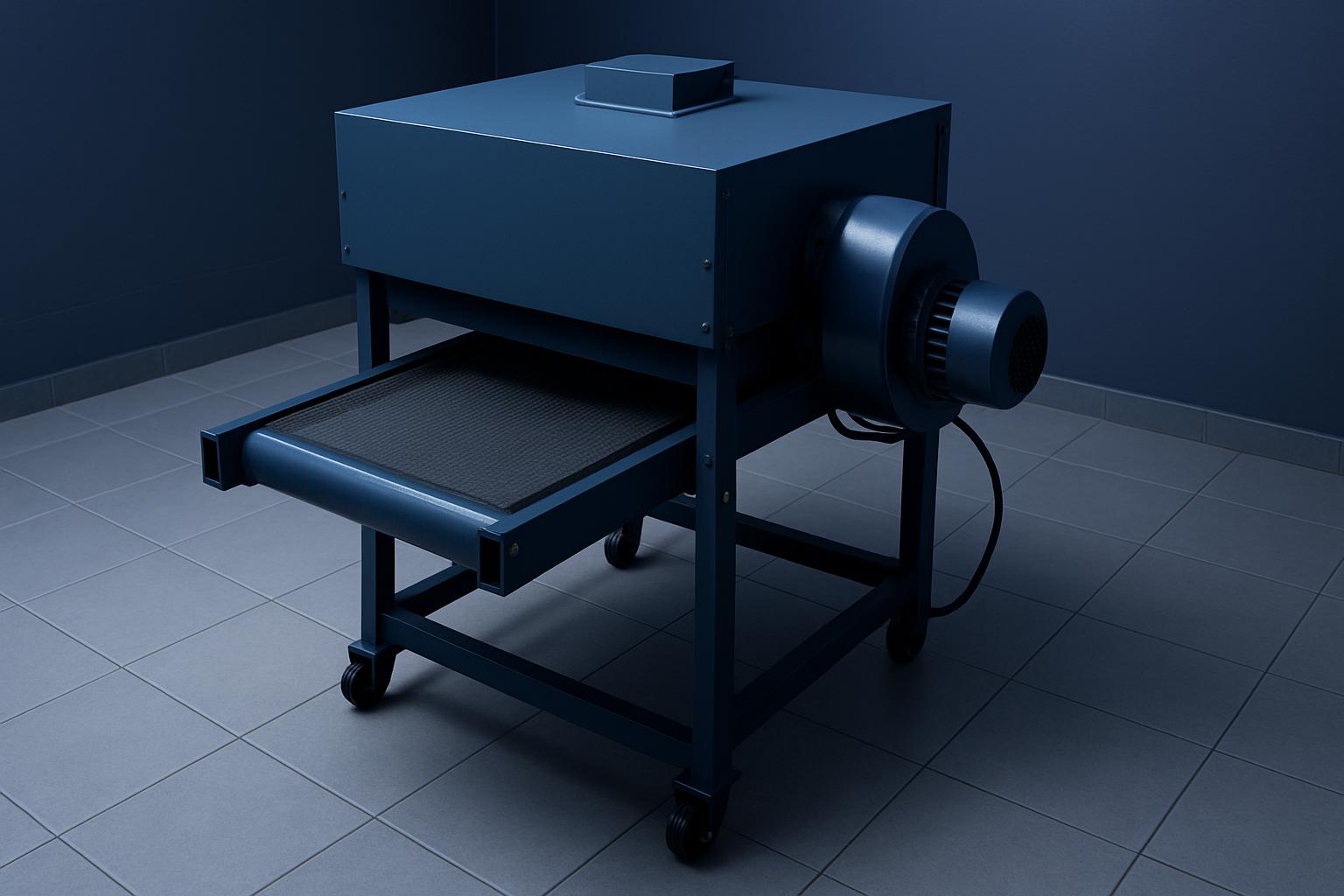
CO2 Bay suits wider textile cutting where edge quality and stable handling matter more than speed alone. We look at knit curl, synthetic content, table length, and whether operators need room for bundled layups beside the machine.
Galvo Kit
Galvo Kit is usually the sharper fit for repeat detail work, smaller formats, and quick motion over set zones. Before discussing it, we ask about marker size, patch or component dimensions, and how often the job changes across a shift.

Fume Pack
Fume Pack matters most when coated cloth, synthetics, adhesives, or dense production windows start dirtying the bay. Duct run, filter access, and nearby workstations need checking first, especially in sites where grit and lint shorten cleaning intervals.

Nest Cloth
Nest Cloth focuses on layout efficiency before the beam fires. Fabric width variation, print direction, nap, and fault zones decide whether tighter nesting saves material or simply creates handling trouble at the table.

Roll Feeder
Roll Feeder becomes useful when straight tracking and steady unwind are the weak points in cut consistency. We ask about roll weight, core size, edge wander, and whether coastal moisture is changing tension from one batch to the next.

Marking Head
Marking Head is for registration points, piece IDs, and placement cues that must stay visible without slowing handling. Ink compatibility, heat sensitivity, and whether the mark sits inside a seam allowance are the first checks.

Training Laser
Training Laser work is less about sales talk and more about operating habits that stop bad cuts repeating. Focus checks, cleaning intervals, test strips, and safe restarts after power interruptions usually matter more than top speed on day one.

Spare Lens
A working option for a spare lens on South African textile floors, for teams that already understand fabric cutting.

Air Assist
Air Assist changes edge finish, flare risk, and lens cleanliness, especially on fibres that char or throw lint. Compressor quality, line moisture, and pressure stability should be checked before anyone blames the laser settings alone.

Service Kit
A useful service kit route for South African textile floors, aimed at teams who already work with fabric lasers.
Startup Card
A practical startup card option for South African textile floors, for teams that already know the process.

Sample Cut
Sample Cut helps settle arguments that paper specs cannot. A few actual components in the intended fabric show fray, melt, hand-feel, and marking visibility far better than a generic material description.

Coastal Pack
Coastal Pack deals with the salt air, moisture, and storage issues that usually appear once the first smooth week is over.

Highveld Pack
Highveld Pack deals with the dust, dry air, and floor conditions that start affecting laser performance after the early setup phase.
Night Shift
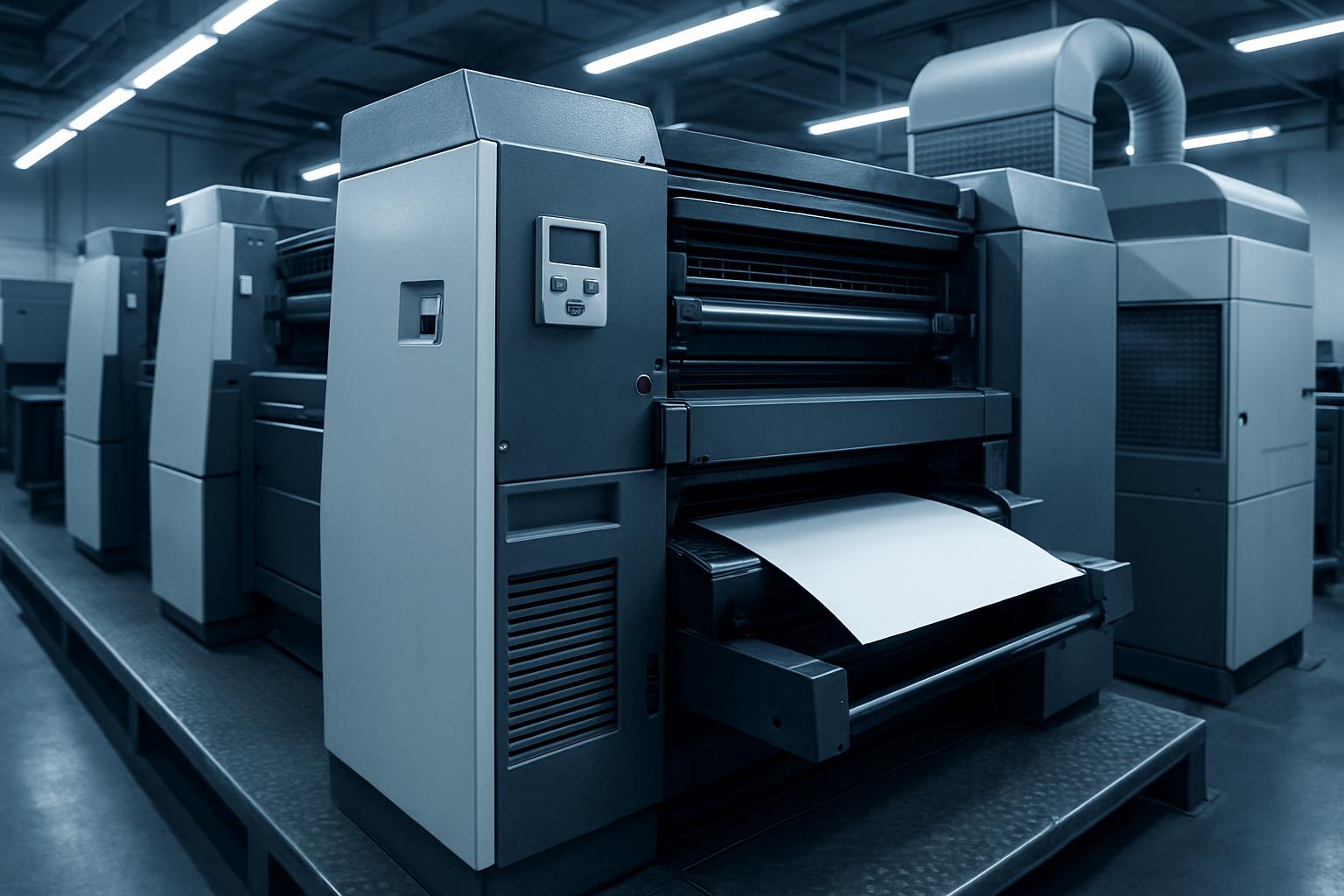
Night Shift deals with the handover gaps, reduced supervision, and restart issues that often surface on late production runs.

Export Week
Export Week deals with the packing pressure, documentation timing, and recut risks that build when a shipment window gets close.

Training Day
Training Day deals with operator basics, routine errors, and cut-floor discipline before those problems spread into daily output.

Spares Bridge
Spares Bridge deals with the cut-file gaps and wear-part snags that appear once production settles in.