
Durban textile branch
Textile laser paths for apparel and soft-goods floors
Laser cutting kits for textile teams who already know the fabric.

Catalogue
Lasers

CO2 Bay
The co2 bay suits spread cloth, bonded synthetics, felt, and layered soft-goods where edge quality matters more than speed alone. Teams usually check lens cleanliness, bed flatness, airflow direction, and cut order before running long apparel markers from Durban to inland plants.
Galvo Kit
A galvo kit helps with fast marking, perforation, and smaller repeat shapes on labels, technical textiles, and trimmed components. On knitted goods, operators watch dwell, spot size, and heat build-up so the face stays neat and the back does not glaze.

Fume Pack
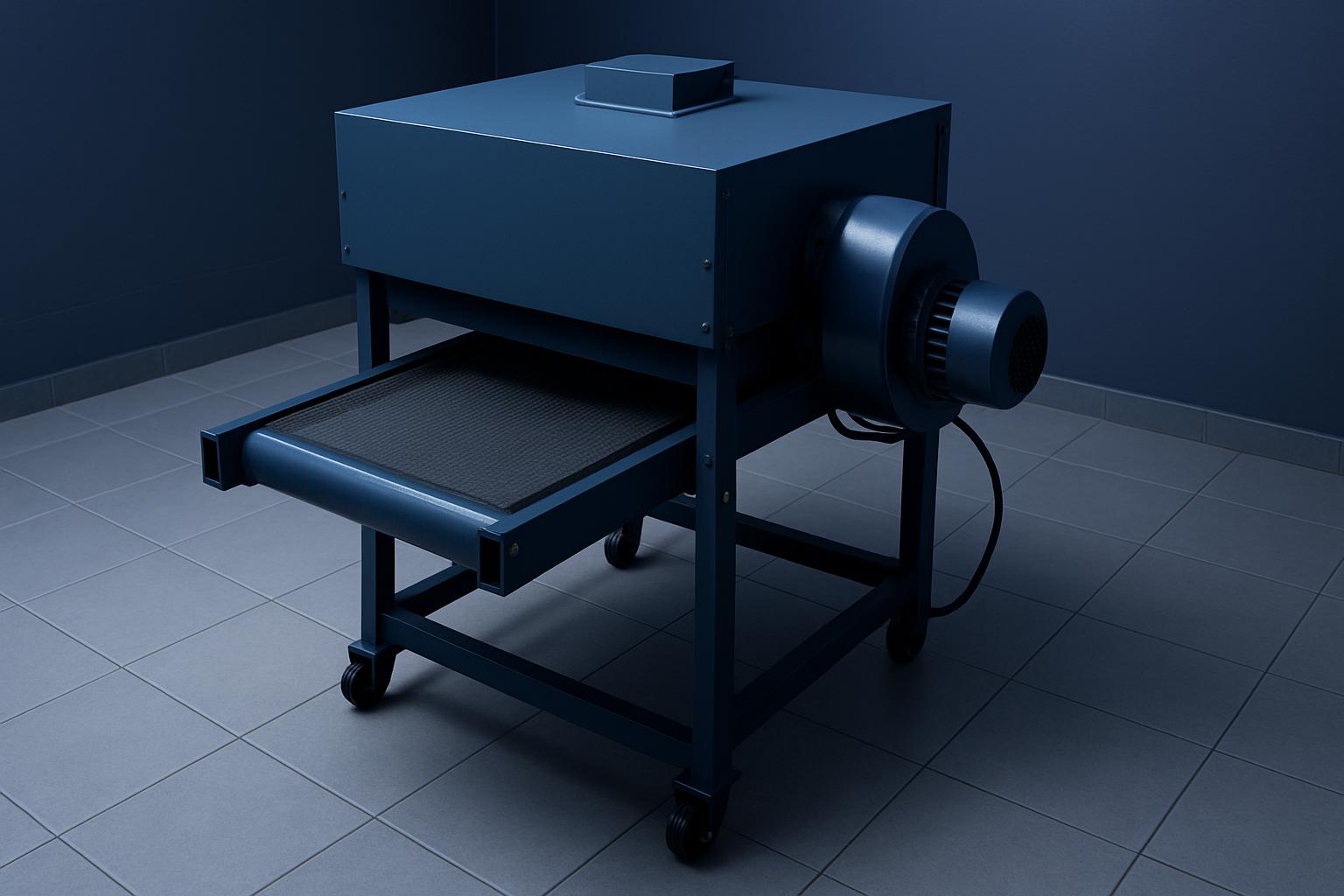
The fume pack needs duct routing that suits coated fabrics, adhesive-backed material, and lint-heavy cutting on busy textile lines. Near the coast, salt air, damp filters, and packed lint can change extraction performance, so daily checks on seals and bins matter.

Nest Cloth
nest cloth starts with grain direction, print placement, panel pairing, and allowance for shrink response after finishing or wash tests. For fleece, rib, and stretch bases, marker decisions often include nap, recovery, and safe spacing around smoky corners or tight internal cuts.

Roll Feeder
A roll feeder keeps tension consistent when feeding jersey, woven rolls, laminated stock, and long repeat jobs into the cutting area. Teams look at edge tracking, brake setting, core drag, and skew before the first metre, especially where heavy rolls have been stored in humid Durban conditions.

Marking Head
The marking head is useful for notches, bundle codes, placement dots, and sew references on parts that move straight to the table. Ink choice, mark visibility, and rub resistance need checking on dark nylons, brushed surfaces, and pale fashion fabric where bleed can cause rework.
Fabrics
Floor paths that match the week
Textile Laser briefs cut paths and fabric notes for apparel floors. We keep fume, nest, and hand-feel honest.
Cloth notes
Recent notes
First Photo
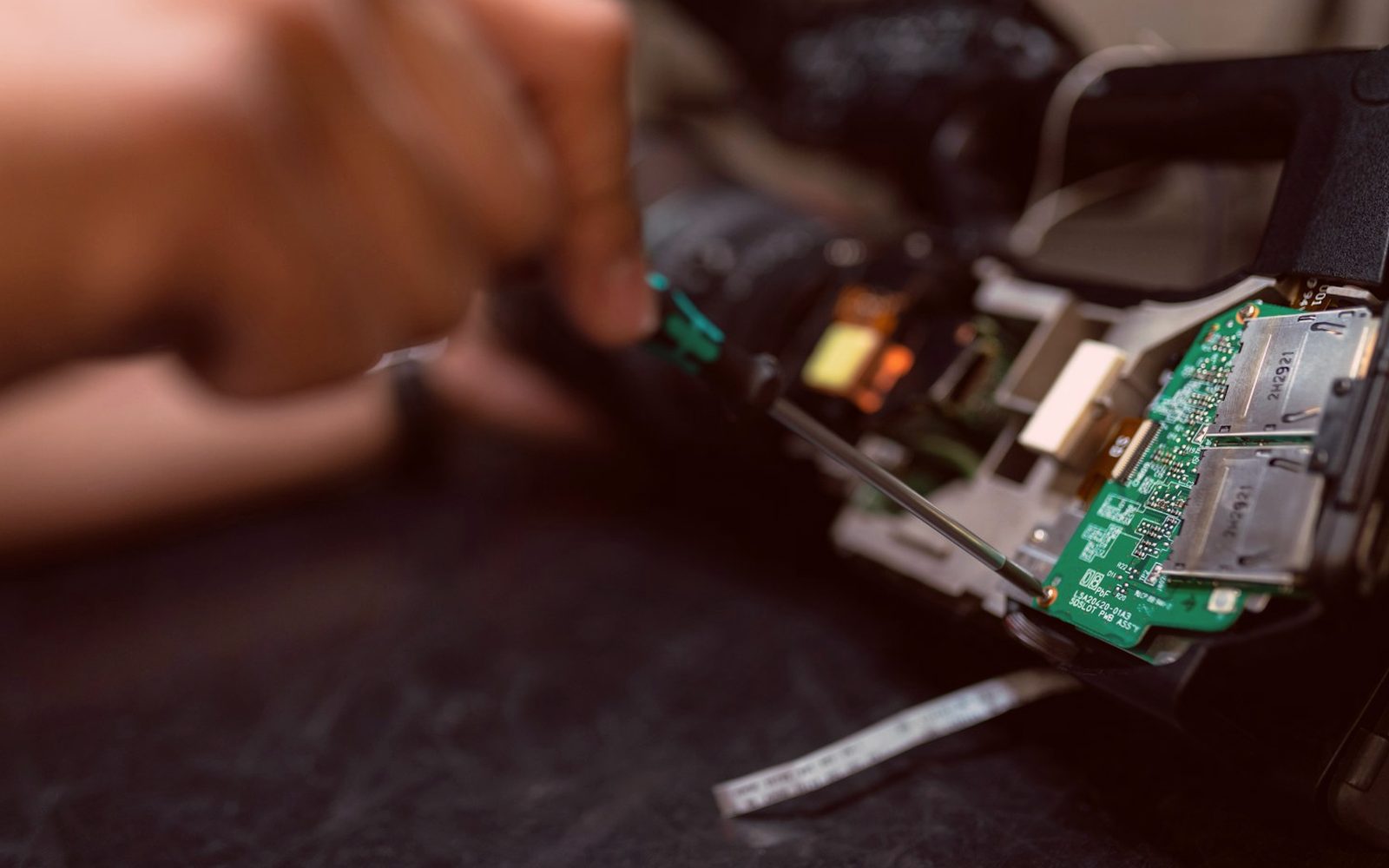
A practical note on the first site photo, so the laser team can see table layout, fabric handling, and access before the job starts.

Cut Off Habits
A practical note on cut-off discipline, for teams that need clearer daily stop points between urgent recuts and planned production.
Coastal Care
A practical note on coastal care, for textile laser setups dealing with salt air, moisture, and storage conditions near the coast.

Highveld Dust
A practical note on Highveld dust, for floors where lint, dry air, and fine dust can affect optics, rails, and clean cuts.

Power Windows
A practical note on power windows, for teams planning laser work around load shedding, generators, and stable restart routines.

Courier Notes
A practical note on courier notes, for packing lenses, spares, and cut samples so the right item reaches the right floor without mix-ups.